



Quality Standards
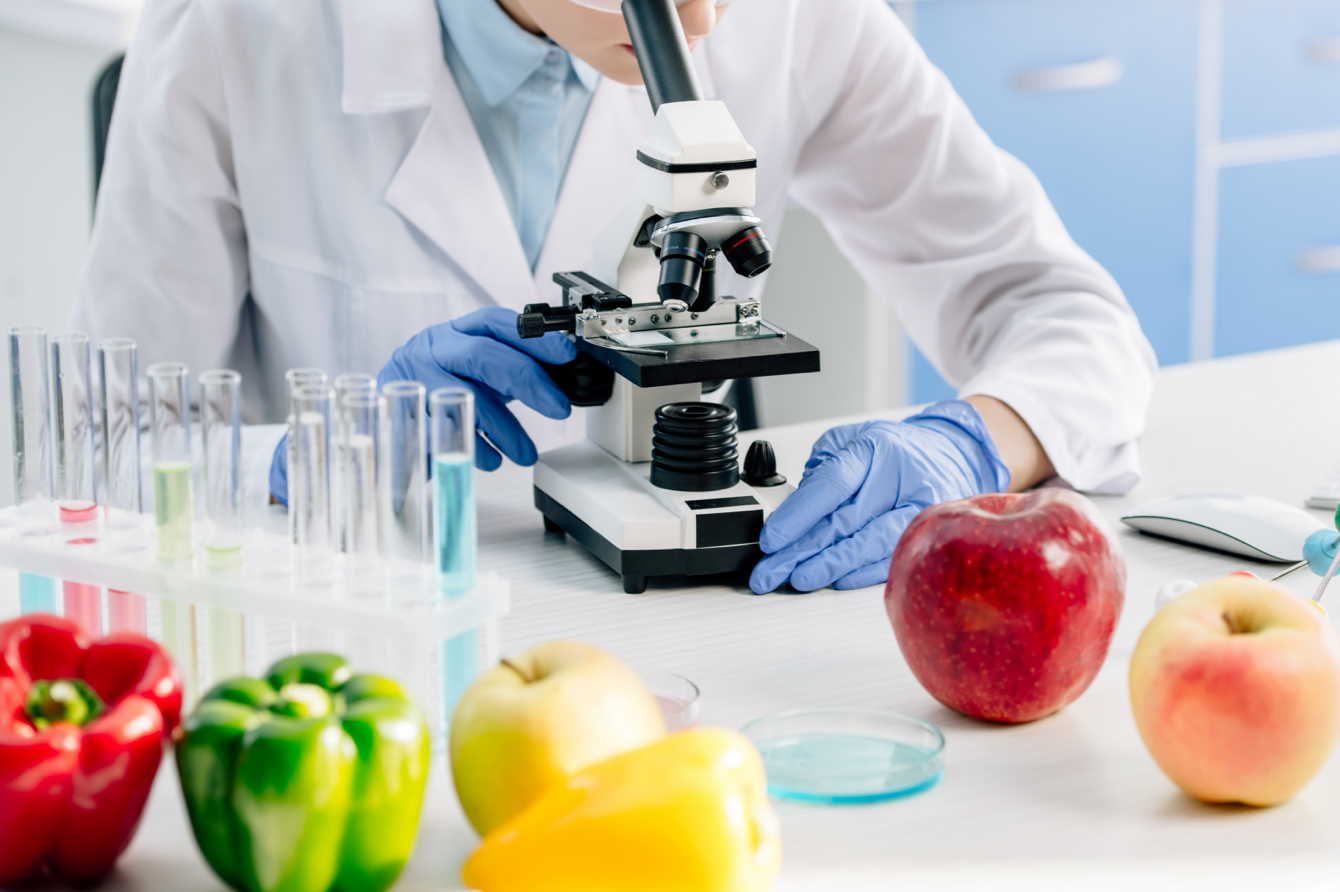
All the products we put on sale must bear official organic certification marks (such as China's
More

Community Giving
When humanity faces sudden natural disasters, we strive to contribute through targeted charitable actions.
More

Environmental Protection
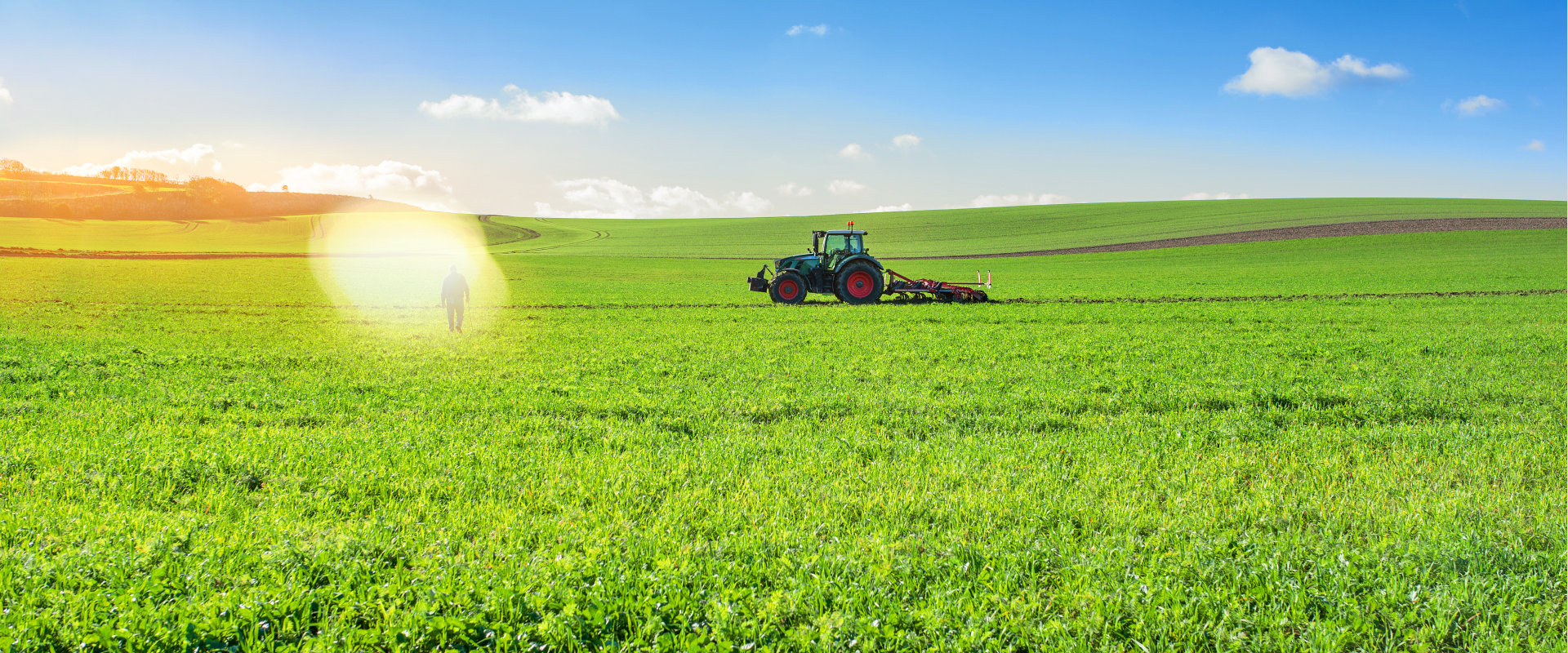
Soil health is not only the lifeblood of agriculture but also an ethical imperative for human survival. We adhere to a 3-year soil restoration cycle, revitalizing every inch of land through quantifiable ecological management:
<BoldText>Soil Health: From Depletion to Abundance</BoldText>
Banned over 4,600 synthetic chemicals (fertilizers/pesticides/herbicides)
Increased soil microbial activity by 300%
Reduced groundwater nitrate pollution risk to near zero
<BoldText>Active Soil Cultivation System</BoldText>
<BoldText>Doubled Carbon Sequestration:</BoldText> Straw return + composting increased soil organic matter by 0.5% annually, fixing 12.8 tons of carbon per hectare over 3 years.
<BoldText>Microbial Army Restoration:</BoldText> Introduced 27 functional microbial groups, boosting disease suppression by 40%.
<BoldText>Biodiversity: Rebuilding Ecological Defense Networks</BoldText>
Implemented a "corn-soybean-alfalfa" 3-year crop rotation, reducing pest and disease incidence by 52%.
<BoldText>Protecting the Genetic Treasury</BoldText>
Rejected genetically modified species to safeguard 42,000 wild crop relatives worldwide.
<BoldText>Water Resource Protection: Creating Natural Purification Systems</BoldText>
Nitrate levels in groundwater of organic farmlands stabilized at less than 3 mg/L
<BoldText>Sponge Farmland Initiative</BoldText>
No-till mulching reduced soil erosion by 76%
<BoldText>Soil Health: From Depletion to Abundance</BoldText>
Banned over 4,600 synthetic chemicals (fertilizers/pesticides/herbicides)
Increased soil microbial activity by 300%
Reduced groundwater nitrate pollution risk to near zero
<BoldText>Active Soil Cultivation System</BoldText>
<BoldText>Doubled Carbon Sequestration:</BoldText> Straw return + composting increased soil organic matter by 0.5% annually, fixing 12.8 tons of carbon per hectare over 3 years.
<BoldText>Microbial Army Restoration:</BoldText> Introduced 27 functional microbial groups, boosting disease suppression by 40%.
<BoldText>Biodiversity: Rebuilding Ecological Defense Networks</BoldText>
Implemented a "corn-soybean-alfalfa" 3-year crop rotation, reducing pest and disease incidence by 52%.
<BoldText>Protecting the Genetic Treasury</BoldText>
Rejected genetically modified species to safeguard 42,000 wild crop relatives worldwide.
<BoldText>Water Resource Protection: Creating Natural Purification Systems</BoldText>
Nitrate levels in groundwater of organic farmlands stabilized at less than 3 mg/L
<BoldText>Sponge Farmland Initiative</BoldText>
No-till mulching reduced soil erosion by 76%
More

Seed Conservation
Seeds are the lifeblood of agriculture. Organic food should start from the source. We collaborate with numerous universities and research institutions both at home and abroad (such as the Chinese Academy of Agricultural Sciences, the Chinese Academy of Sciences, the Chinese Tropical Agricultural Research Institute, the National Hybrid Rice Engineering Technology Research Center, Nanjing Agricultural University, Northwest Agricultural and Forestry University, Huazhong Agricultural University, Sichuan Agricultural University, and Yunnan Agricultural University, etc.) to conduct in-depth research on ecological and seed protection from multiple levels and dimensions. ' reject genetically modified crops and advocate upgrading traditional breeding methods; establish seed resource banks to protect native varieties; create a smart breeding platform to provide high-quality native seeds for cooperative farms; strengthen the selection of climate-adaptive varieties to make seed protection the cornerstone of ecological security and rural revitalization. 'Preserve the land and nourish the earth', we support farmers and producers who adopt eco-friendly planting and breeding methods (such as crop rotation, composting, biological control, and protecting biodiversity). Protecting seeds is not only about the survival of crop genetic resources, but also involves cultural inheritance, climate adaptability, and the resilience of the food system. The ultimate goal of seed protection is not to seal them up, but to allow life to evolve in a flowing state. Every seed is a contract between nature and civilization. Preserving its genes, protecting its rights, and utilizing its potential can help us hold onto the foundation of agriculture in a changing world.
More

Space Farming
We pioneer space breeding technology, leveraging spacecraft experiments to cultivate new crop varieties with high yield, superior quality, and quadruple resilience (disease/pest/drought/salinity resistance), propelling agriculture into the cosmos.
<BoldText>Leap in Disease Resistance</BoldText>
Space-mutated rice slashes pesticide reliance with enhanced disease immunity.
<BoldText>Accelerated Breeding Cycles</BoldText>
Traditional methods (8-10 years) → Space technology (3 years).
<BoldText>Earthbound Innovations</BoldText>
Precision irrigation systems and soilless substrates developed for space farming now transform desert agriculture and vertical farms, driving intelligent and sustainable transformation across terrestrial agriculture.
<BoldText>Cosmic Expansion, Earthly Impact</BoldText>
Space farming extends humanity’s agricultural frontier to the stars, yet returns to Earth as "a single seed" – reshaping our future with abundant harvests, exceptional flavor, and ecological harmony.
<BoldText>Leap in Disease Resistance</BoldText>
Space-mutated rice slashes pesticide reliance with enhanced disease immunity.
<BoldText>Accelerated Breeding Cycles</BoldText>
Traditional methods (8-10 years) → Space technology (3 years).
<BoldText>Earthbound Innovations</BoldText>
Precision irrigation systems and soilless substrates developed for space farming now transform desert agriculture and vertical farms, driving intelligent and sustainable transformation across terrestrial agriculture.
<BoldText>Cosmic Expansion, Earthly Impact</BoldText>
Space farming extends humanity’s agricultural frontier to the stars, yet returns to Earth as "a single seed" – reshaping our future with abundant harvests, exceptional flavor, and ecological harmony.
More